
Brexit, Covid, and now a recession – the UK tourism industry has had some challenges in recent years. For many UK tourist businesses, the fear exists that the recession will cripple them further. However, opportunities do exist.
If history is anything to go by, 2009’s recession saw Britons favour booking domestic over foreign holidays. Data compiled by Vertical Leap showed demand for domestic holidays from UK residents increased from just 11% in April 2020 to a staggering 86% in September 2022.
It’s not just Covid driving interest in domestic travel. Other factors such as the cost of living and travel disruptions are also keeping the £s in the UK. Take the camping and caravanning industry. It saw a boost of 4.5 million ‘first timers’ in the domestic market in 2021. Families who once took their holidays abroad have discovered what the UK tourism market has to offer.
Family time and the impact of outdoor spaces on mental health and wellbeing is also making us take a closer look at what’s on our doorstep. This along with the cost-of-living crisis means staycations will still be a huge driver of traffic for tourism.
So how can businesses capitalise on this increased demand for domestic tourism? Here are a few starting points to consider when looking to ramp up your marketing:
Website content
Your website is the biggest advertising window you have. Yet many businesses fail to keep it updated or consider how users will engage with it on desktop or mobile. Writing blog posts about the local area or helping guests understand what your venue offers will boost web traffic.
Simple ideas such as ‘things to do in…’ feature highly on searches and create valuable content marketing opportunities. In fact, Vertical Leap’s report found SEO searches for ‘things to do in London’ was particularly high. Don’t forget your website content can make great material for newsletters and social media content.
If you’re short on time or don’t feel confident in your writing ability, consider hiring a copywriter or PR freelancer. Alternatively, there are also a number of AI copy tools you can use to speed up content creation. Just Google AI copy and you’ll find lots of options. Some require subscriptions, but most offer a free trial. Once you have your copy, use SEO tools to improve a post and ensure it ranks for your keywords. Yoast SEO is a great tool we use a lot.
Don’t neglect to test your website with friends and family to see if they spot anything you may have overlooked.
Social media
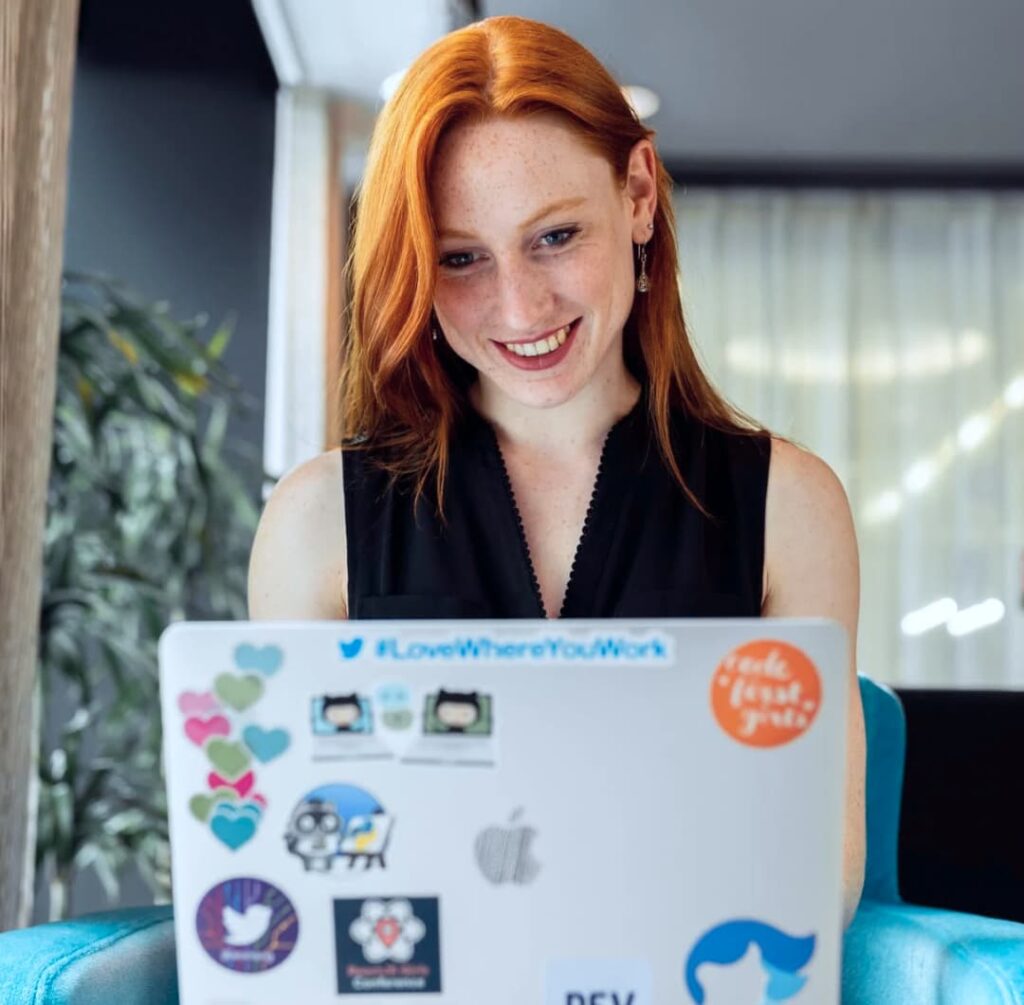
Younger generations are using social media to discover what’s important for them. According to Prabhakar Raghavan, Senior Vice President at Google, 40% of young people use TikTok or Instagram to discover places for lunch. You can bet travel inspiration is not too far behind. If you don’t use social media, you could be missing out on bookings.
Content could include tours of your holiday accommodation, roundups of places to visit in the local area and testimonials from guests. Humour can also work well. Be mindful of sharing memes as a lot of the time, these images are copyright protected and could land you with a fine if you’re using them to promote a business. This site has a few ideas if you need inspiration but check photo copyright or buy the rights to the original image if you plan to share. Think about the kind of content you share when scrolling social media and go from there. Maybe you could share a roundup of unusual things left behind by guests or tips on getting out stains. The latter might sound odd, but there’s a reason Mrs Hinch developed a cult following. Or you could even make a reel of getting a room ready for your new guests. Going from messy to tidy transformations are strangely compelling. Stacey Soloman’s Tap to Tidy content on Instagram even spawned a book. Including content on other aspects that make up your business can make content creation easier.
Finally, promote any special offers or deals you might have. Aim to promote ‘sales messaging’ more sparingly. Make your content aspirational and follow-worthy, so when a follower is ready to book, they’ve stayed in your network and not left due to sales-overwhelm.
Choose the right channel
You don’t need to be active across every channel, just look at the right channel for your target demographic. TikTok users aged 18-24 account for 26% of UK users. This falls to 9.3% and 7.2% for those aged 25-34 and 45+ respectively. To reach a slightly older generation, Instagram or Facebook might better suit your needs. The largest user group (those aged 25-34) hold a majority share of 30.1% and 24.5% share respectively. To reach an older generation, YouTube attracts 44% of 25-44 year old users. Approximately 35% of the UK population actively uses the platform.
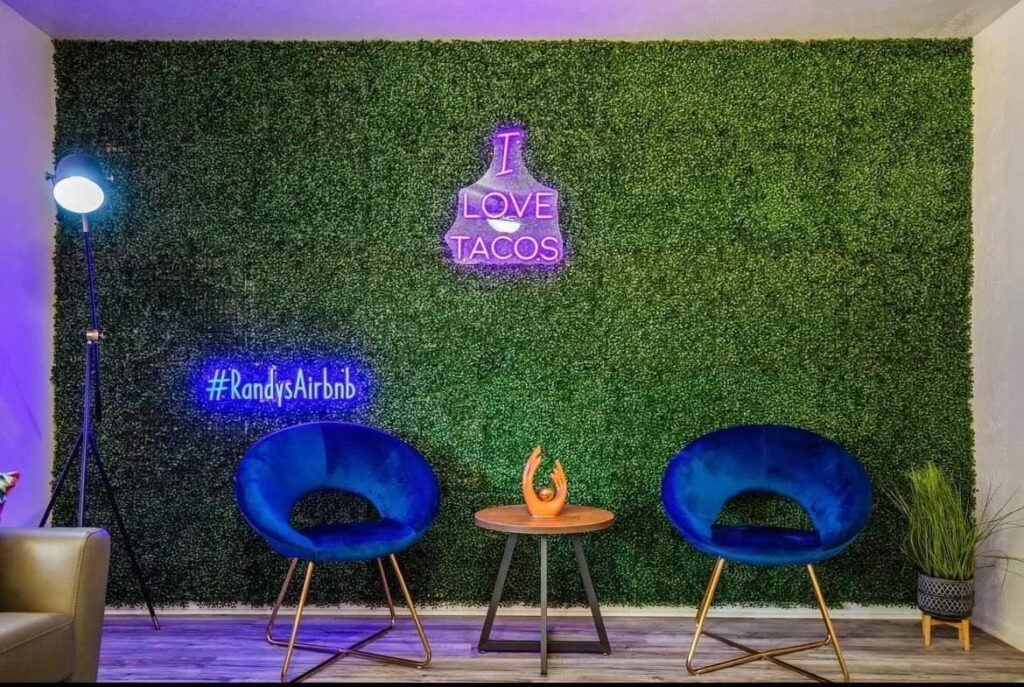
Customers could also become your biggest marketing asset. Selfie walls or selfie areas are becoming hugely popular. They act as a signpost to encourage guests to snap a picture at your place and share it. Consider incentivising guests to share by offering a loyalty or prize scheme. E.g every year you could run a competition and entry into that prize draw is from previous guests who have tagged you on social media. Choose a winner at random to win a free night’s stay or a Christmas hamper.
Using influencers to promote your business could offer another tactic. Be wary of ‘faux-fluencers’ who are just out for a freebie and will not generate any business for you. These influencers typically use ‘engagement pods’ where likes and comments are not from genuine fans. You can usually spot a fake influencer if the comments made seem at odds of the post itself. If an influencer asks for a free stay, consider offering a discount off their stay afterwards if any guests book in the future quoting their name. Finding real influencers vs ones with little influence can be tricky without research.
Press coverage
According to psychologist Robert Cialdini in his book ‘Influence: The Psychology of Persuasion’ social proof can also encourage action. That’s why tourism marketing and PR is so valuable. In 2020 VisitBritain had a core budget of £19.9 million to spend on tourism marketing. Even if your budget is much smaller, you can still improve your visibility by securing press coverage.
Obviously, you can work with a travel PR freelancer or agency like Iden, but you can also benefit from press coverage by responding to the journorequest hashtag on Twitter. We actually have a free list of travel journalists you can follow on Twitter here to make it easier. Press coverage can often lead to an influx of enquiries.
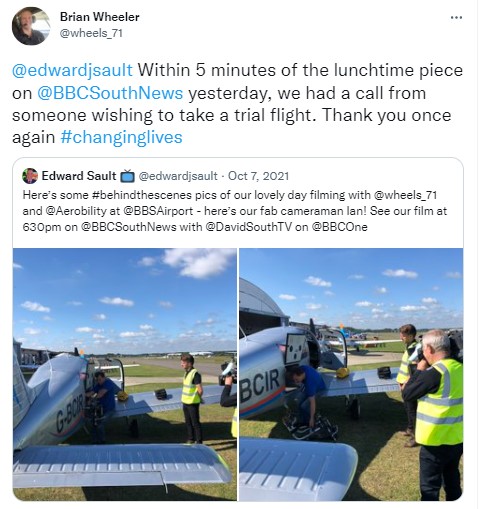
Public relations campaigns aren’t just about press coverage. It can also include work with the local community and building awareness further afield through stakeholder or lobbying campaigns. Or you could also use a PR professional to help maximise opportunities with local and national tourism bodies.
You could also partner with non-competing businesses to pool budgets for publicity and advertising campaigns. Alternatively, create an added value package that combines vineyard tours or afternoon tea.
With pet ownership booming during lockdowns, you might have already decided to be dog friendly but could you go further? What about offering local dog sitting services for visitors wanting to explore activities in your local area where they can’t take their four-legged companion? Zip World in Wales is a great example. It boasts a pre-bookable day-care centre at two of their sites whilst visitors enjoy the outdoor activities.
Newsletters
Don’t rely on ‘borrowed’ land aka social media – make sure you utilise your own spaces. If you lost your social media accounts tomorrow and had to start from scratch again – could you do it? Or if the algorithm changed and your content became hidden – would it hurt your business? Having your own newsletter is a great way of keeping potential customers interested, letting previous guests keep in touch with you or sharing discounts and deals when you have last-minute availability.
There are numerous email marketing services out there. You can get started for free with the basic versions of ConvertKit and MailerLite. ActiveCampaign also comes highly recommended for its automations and functionality, but it doesn’t currently have a free option at the time of writing this.
Suggestions for content include offers for upcoming dates to entice visitors or tips of when to visit a certain local attraction such as a park or castle. Enquire with other bodies such as tourism boards (Visit Essex/Kent etc) to see if they can include you in their newsletters. Just be aware, you may need to be a member.
Surveys and reviews
Sharing a survey with a guest is a great way to find out what they liked or disliked and ways you can improve for the future. If their stay was positive – encourage them to leave a review on TripAdvisor. Many businesses use a follow up email as a way to thank customers for their custom with the chance to get a discount on a repeat holiday or a chance to win a gift voucher on the completion of a feedback survey.
Don’t forget to consider other review sites. While often overlooked, encouraging reviews on your Google Business Profile can really enhance your SEO. If you’ve had a negative review, how you handle it can also make a big difference. Be sure to address these swiftly with a professional reply. A negative review isn’t always the end of the world, as long as it’s been handled professionally. In fact, a 2022 consumer survey found that 57% would be unlikely to use a business that doesn’t respond to reviews at all, showing the power of the personal touch.
Leverage data
But collecting data on why guests choose to stay with you is also beneficial. You can use these reasons in your social media posts or in your marketing copy. For example, if people posted about how much they enjoyed the quiet setting – make a bigger feature of it in your marketing. Equally, understanding who you attract makes it easier to target future guests. For example, if you typically only get couples staying you might want to write blogs about the best places for a romantic walk nearby or best places to propose. If you have a lot of families, what family friendly things do you offer or what attractions nearby might appeal to them?